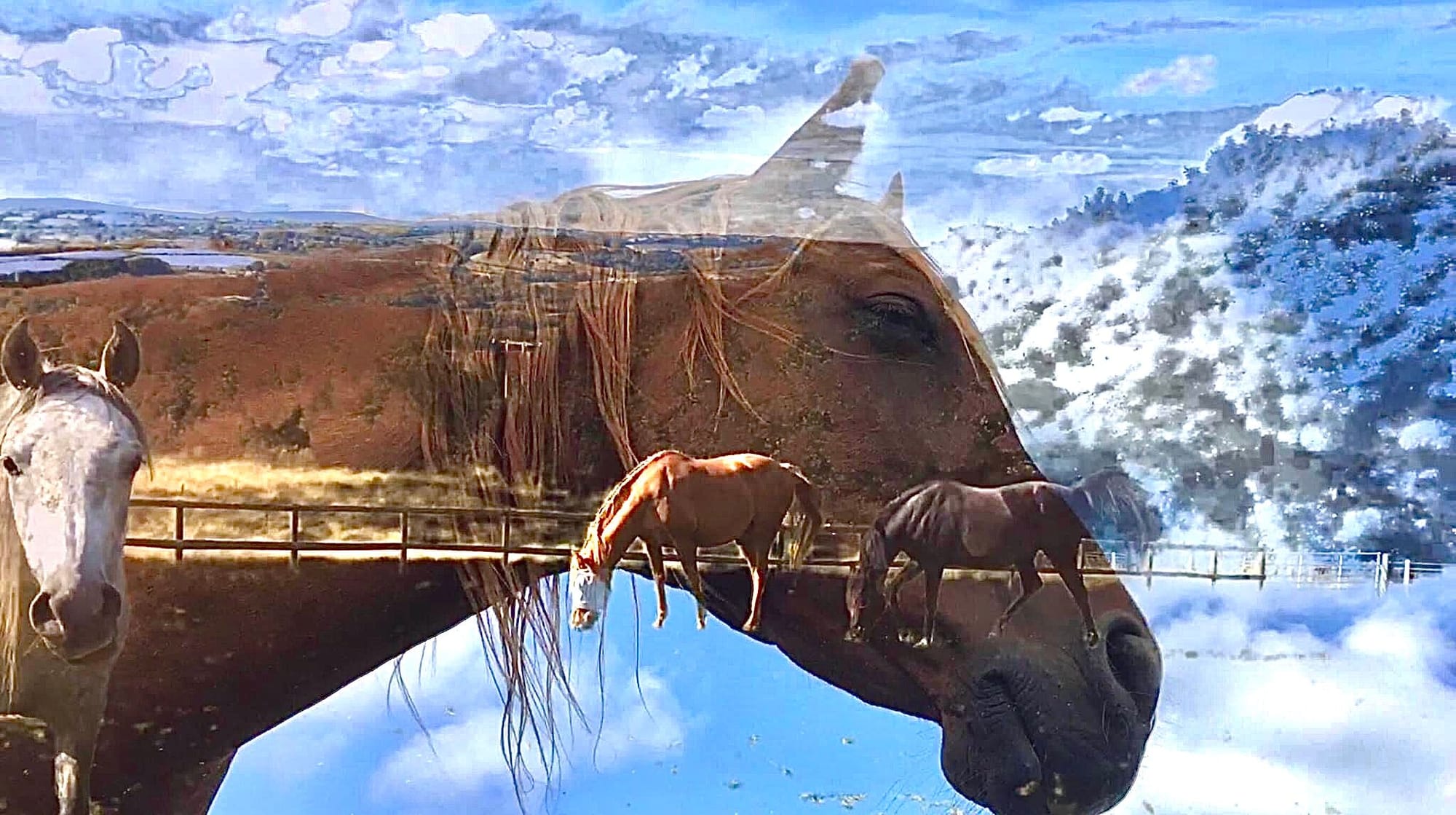
Intuitive animal communication is the practice of connecting with animals on an energetic and intuitive level to receive information about their thoughts, feelings, and physical states. Unlike traditional observation-based methods, this work can be done at a distance. Information is received through subtle channels such as images, sensations, emotions, words, and Physical feelings feelings that mirror the animal’s experience. Some animal communicators also experience additional information through their nervous system. Distance is not a barrier because the connection is energetic rather than physical, allowing communicators to tune in wherever the animal is located. This form of communication can be used in many practical ways. It can help uncover the root cause of behavioural changes such as anxiety, aggression, withdrawal, or sudden habits that don’t respond to training alone. Communicators may also receive information pointing to areas of physical discomfort, pain, or illness, which can then be explored further with a veterinarian or another medical professional. It can support animals through transitions like moving home, introducing new family members, trauma recovery, or end-of-life care, offering clarity and reassurance for both animals and their humans. Experience matters greatly in this field. An experienced animal communicator understands how to interpret information accurately, filter personal bias, and recognise subtle layers of meaning. Inexperienced communicators may only receive fragments, misinterpret symbols, or miss vital emotional or physical cues altogether. This can lead to incomplete or misleading insights, which is why depth of training, self-awareness, and ongoing practice are essential. Hearing animals is only the beginning. True communication goes far beyond words. Paralanguage—tone, energy, emotional texture—and psychological understanding play a crucial role, as does associated knowledge. Animals communicate holistically, through feelings, patterns, and intention. Understanding their psychology allows communicators to place messages in context, recognise coping mechanisms, and appreciate the “why” behind behaviour. When intuition, paralanguage, and psychology come together, animal communication becomes a powerful tool for deeper understanding and compassionate care.