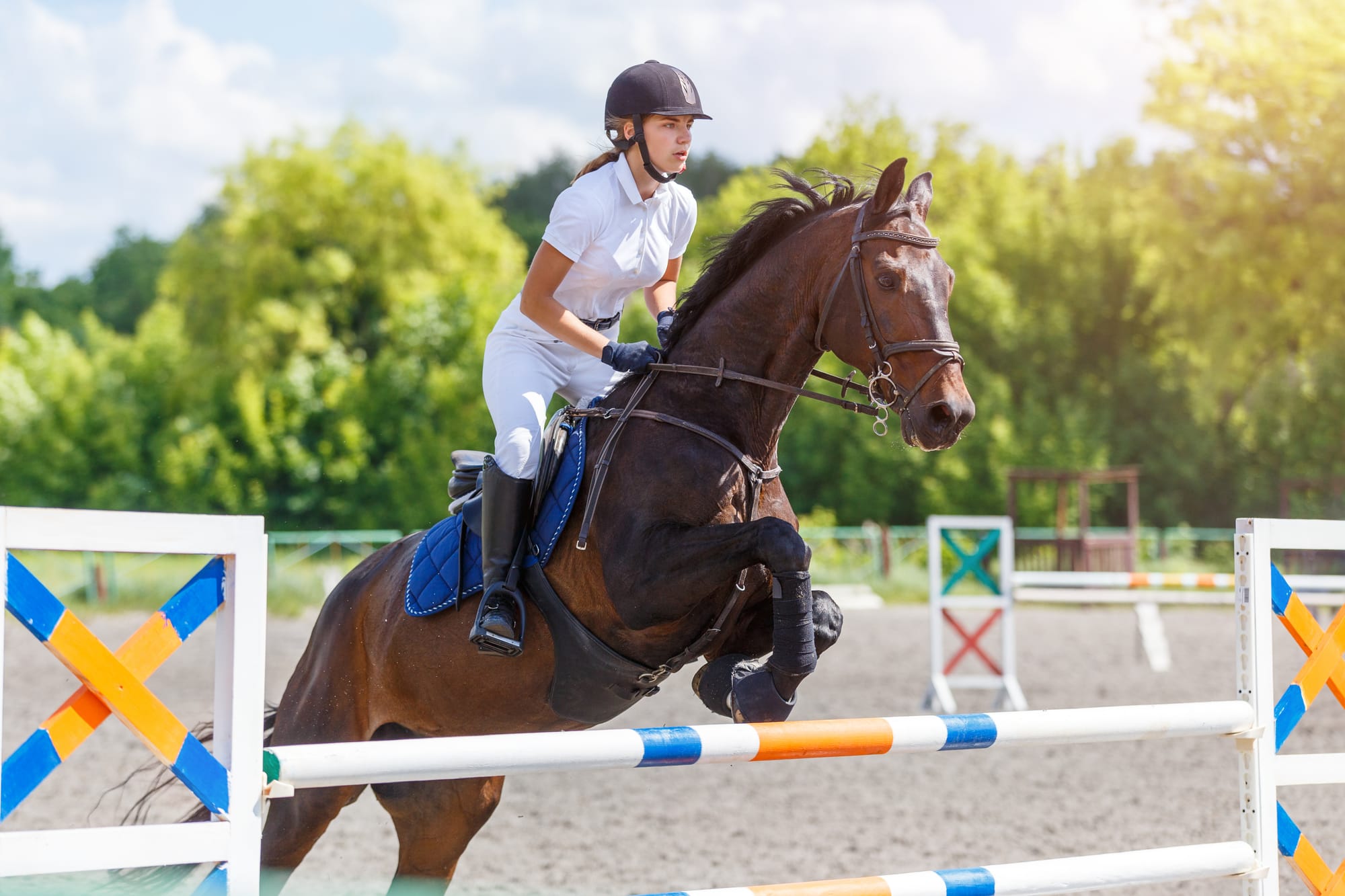
Hypermobility is often recognised by unusually flexible joints, but in animals it is much more than increased range of motion. Like humans, animals rely on connective tissue throughout the entire body. When this tissue is more elastic than normal, it can affect not only joints but also muscles, skin, internal organs, blood vessels, and the nervous system. This makes hypermobility a whole-body condition rather than simply an orthopaedic issue. One of the most important but often overlooked effects is on proprioception—the body's ability to sense where its limbs and joints are in space without looking. Proprioception allows animals to move confidently, judge distances, balance on uneven ground, and coordinate everyday activities such as jumping, climbing, running, or navigating obstacles. When joints are overly mobile, they may provide less accurate feedback to the brain, making movement less efficient and requiring muscles to work much harder to stabilise the body. In daily life, an animal with hypermobility may appear clumsy, tire more quickly, hesitate before jumping, struggle with balance, slip more often, or seem reluctant to perform activities they once enjoyed. They may compensate by developing muscle tension, altered movement patterns, or behavioural changes that are sometimes mistaken for stubbornness or laziness, when they are actually adapting to an unstable body. Emerging research in humans has also identified links between hypermobility and neurodiversity, including autism and ADHD, suggesting that differences in connective tissue and brain wiring may influence how the body processes movement, sensation, and coordination. While research in animals is still limited, understanding proprioception and the connection between the brain and body may help explain why some hypermobile animals experience heightened sensitivity, anxiety, or unusual responses to their environment. Recognising hypermobility as a condition affecting both the body and the brain allows owners, trainers, therapists, and veterinary professionals to provide more appropriate support. Improving strength, body awareness, and proprioception can help animals move with greater confidence, reduce the risk of injury, and enhance their comfort, welfare, and overall quality of life.