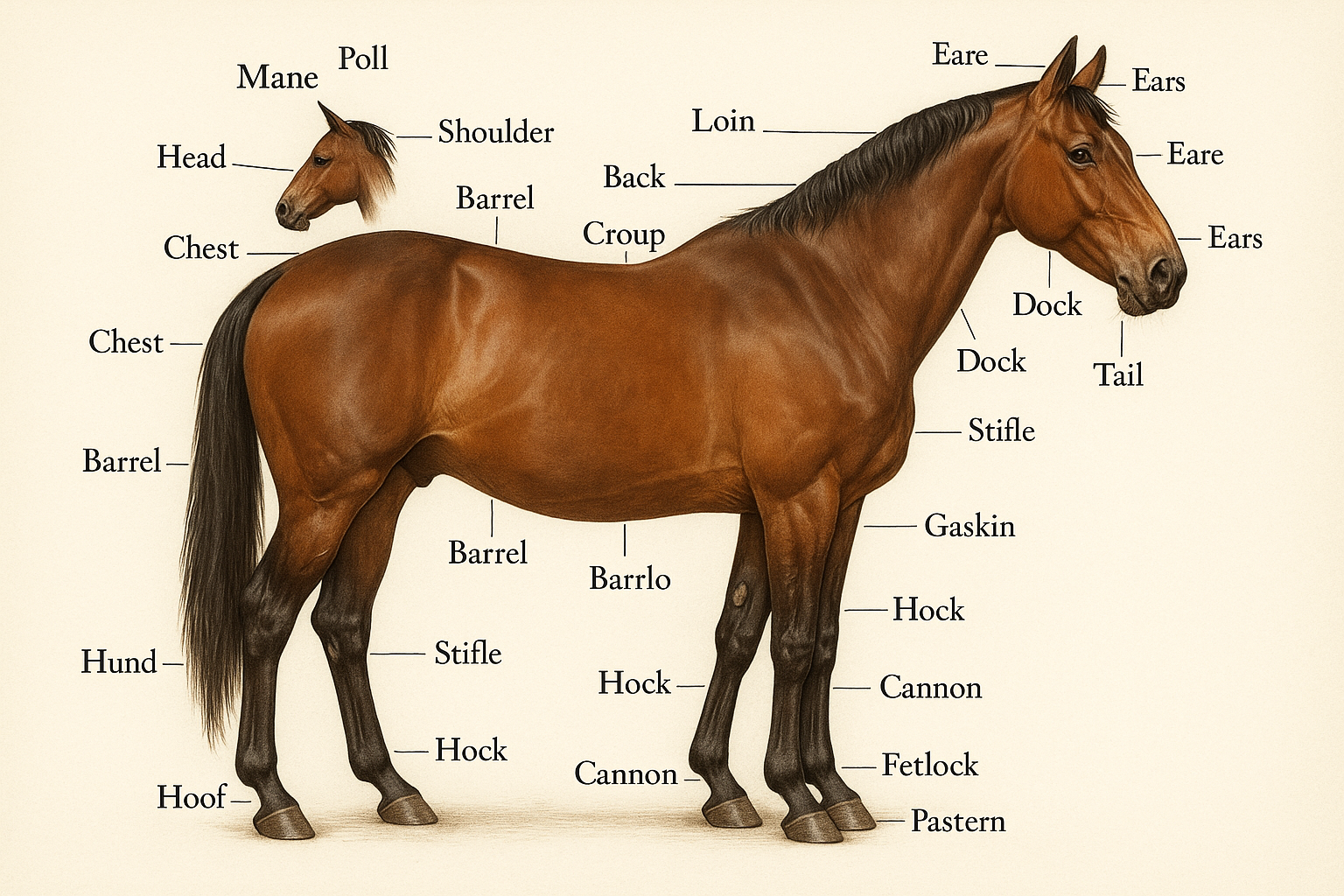
Body scanning is a mental technique often used in animal communication to gain insight into an animal’s physical comfort and well-being. Rather than relying on physical observation, the communicator uses focused mental visualisation to “scan” the animal’s body internally, allowing areas of tension, pain, or imbalance to stand out. This approach is based on intuitive awareness and is used as a complementary method alongside, not instead of, professional veterinary care. During a body scan, the communicator mentally visualises the animal—such as a horse—from head to tail, moving slowly and systematically through and around the body. Attention is paid to sensations, images, or impressions that arise. Areas of discomfort may present as heaviness, tightness, heat, resistance, or altered imagery. For example: when working with lameness, a communicator may mentally notice a disruption or imbalance in one leg, helping to narrow down the general area of concern. A key aspect of this method is that the communicator does not need to physically see the animal. The process is carried out entirely through mental visualisation and focused connection. Because of this, body scanning can be carried out remotely, allowing the communicator to build a clear internal picture of the animal’s posture, movement, and physical state. This can sometimes provide additional detail, such as whether discomfort feels muscular, joint-related, or linked to compensation elsewhere in the body. Body scanning is not about making diagnoses, but about gathering information that may help guide further investigation. Many communicators use it to support owners in deciding where to look more closely or what to discuss with a veterinarian, physiotherapist, or bodyworker. When practiced skillfully, body scanning can deepen understanding of the animal’s experience. It encourages careful listening, empathy, and awareness, strengthening communication while respecting the importance of professional medical assessment for treatment and diagnosis